Life on Earth is in trouble
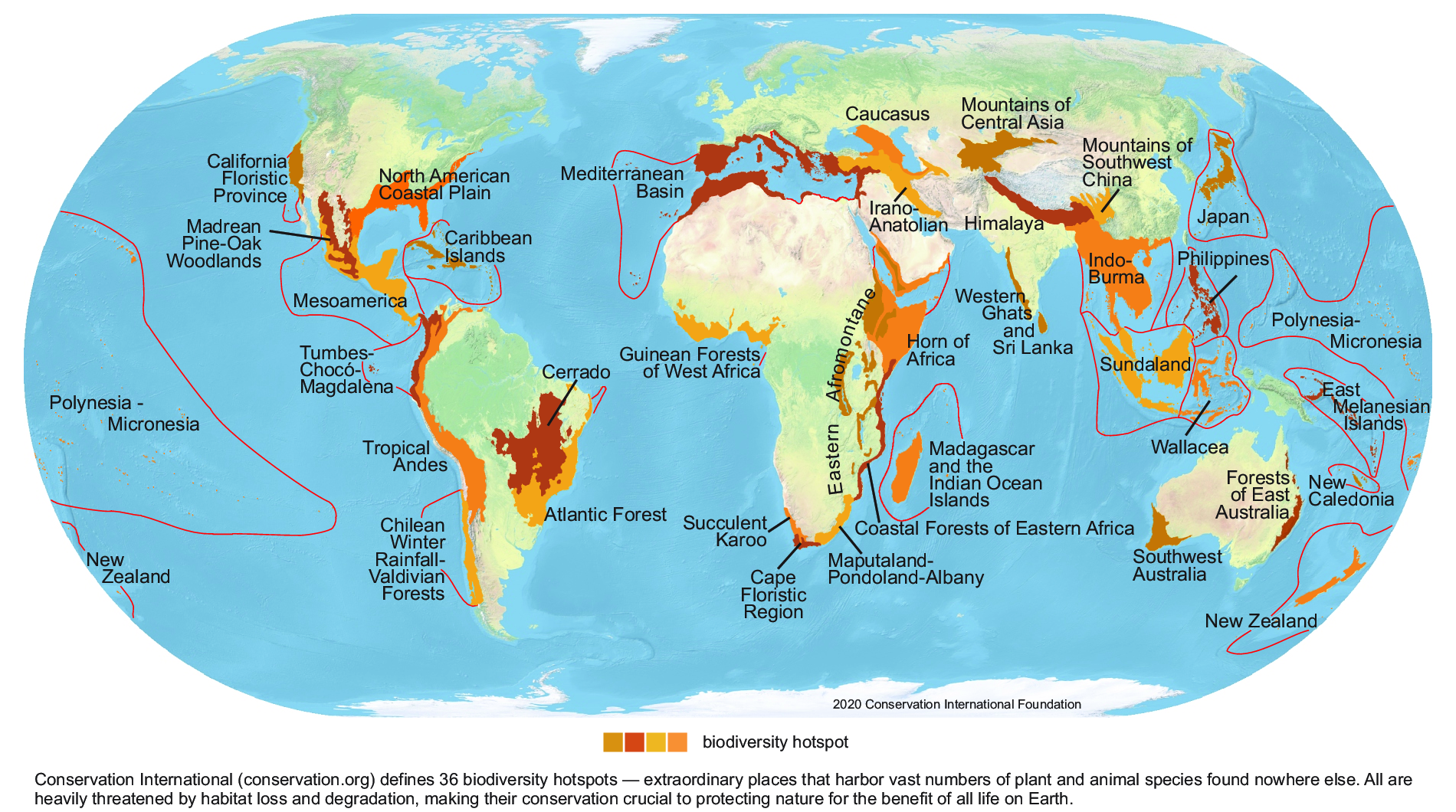
- The planet has lost 69% of its wildlife populations since 1970 (WWF Living Planet Report).
- Most biodiversity is concentrated in a handful of hotspots — and these are under the greatest threat.
- We are living through the sixth mass extinction, and most of it is invisible to us.
The insect apocalypse
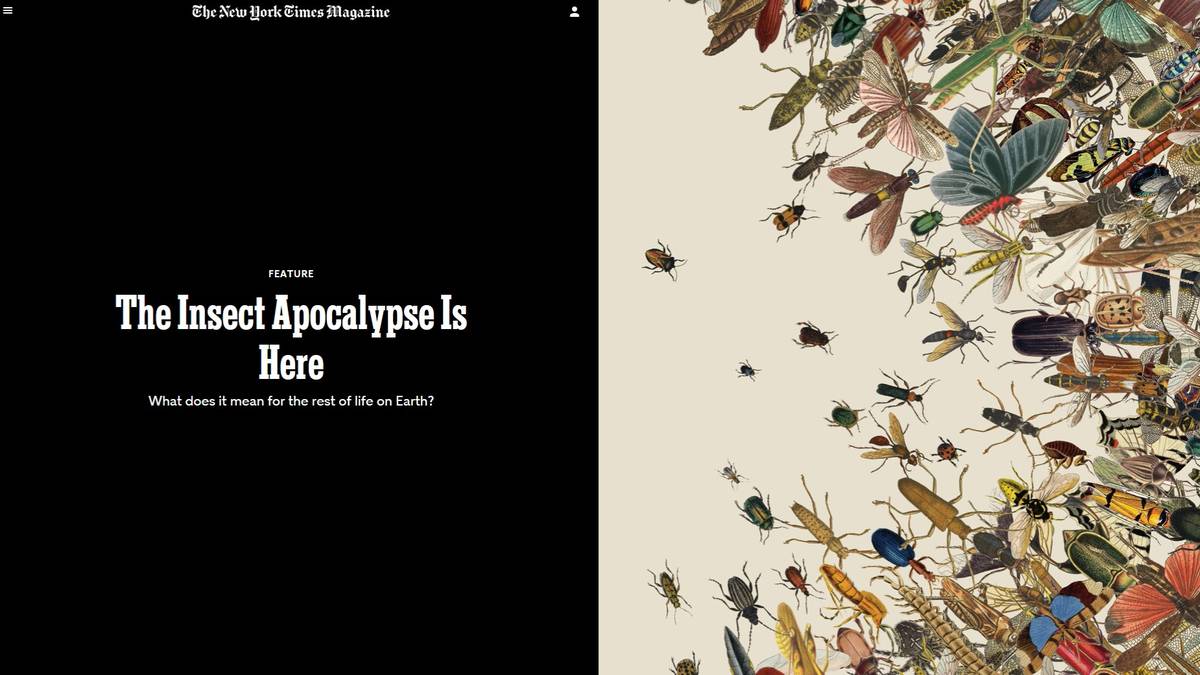
A landmark 2017 study found a 75% decline in flying insect biomass over 27 years in German nature reserves.
Insects pollinate our crops, feed other animals, and recycle nutrients. When they disappear, ecosystems unravel.
How do you count what you can’t see?
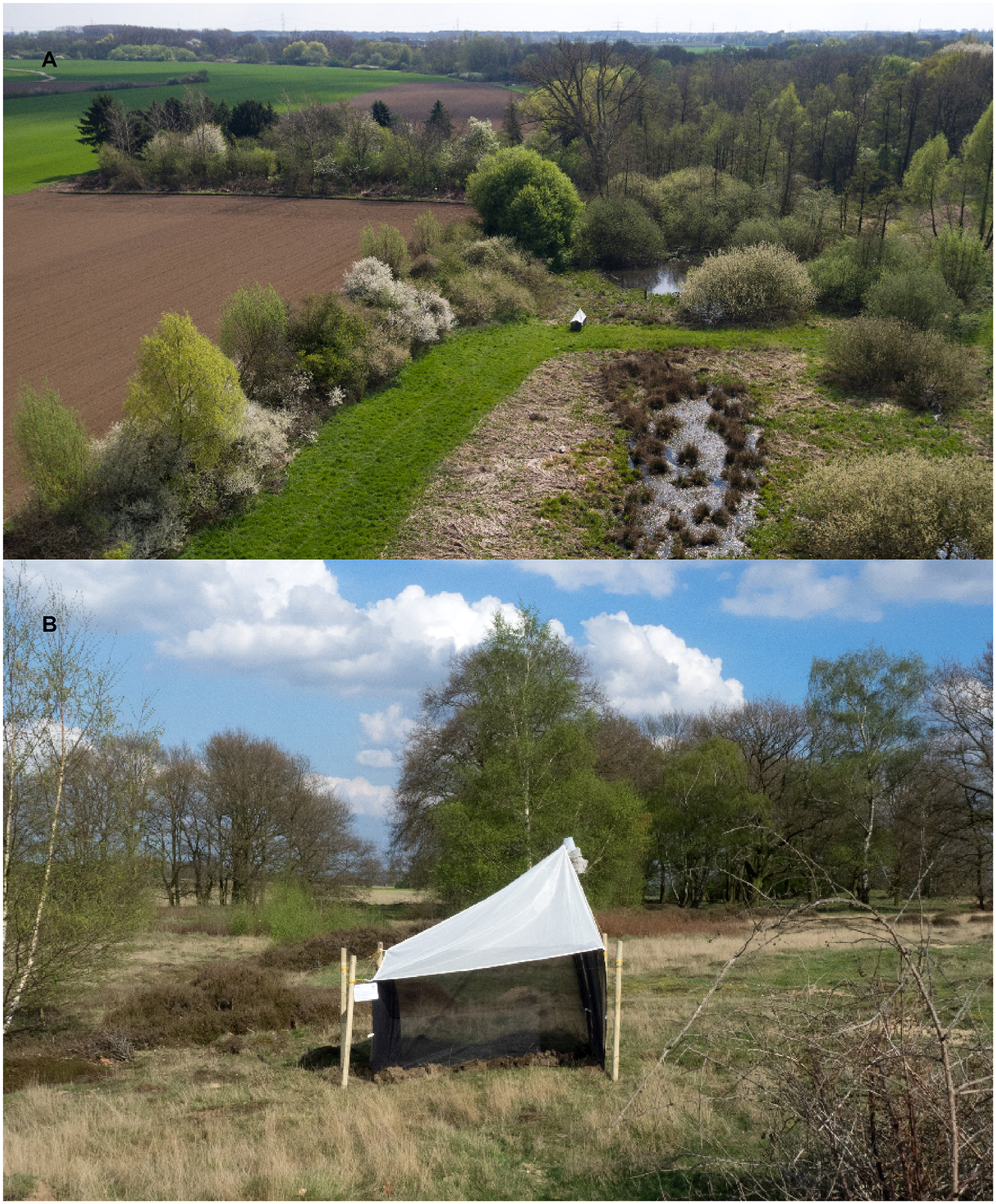
Malaise traps are tent-like structures that passively collect flying insects 24/7.
A single trap can capture thousands of specimens per week.
The problem? Someone has to sort and identify all of them. That’s where AI comes in.
DNA: a molecular fingerprint
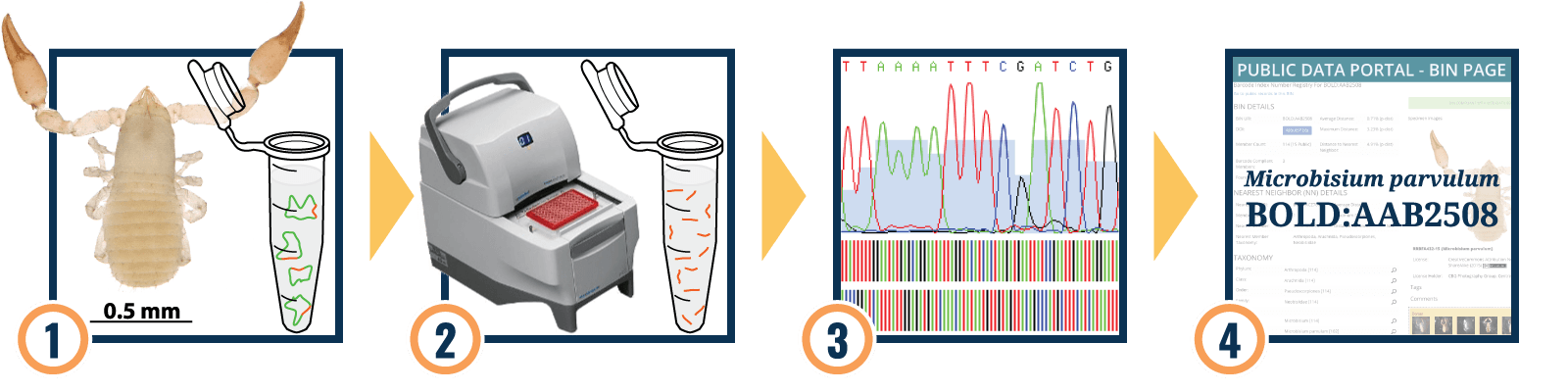
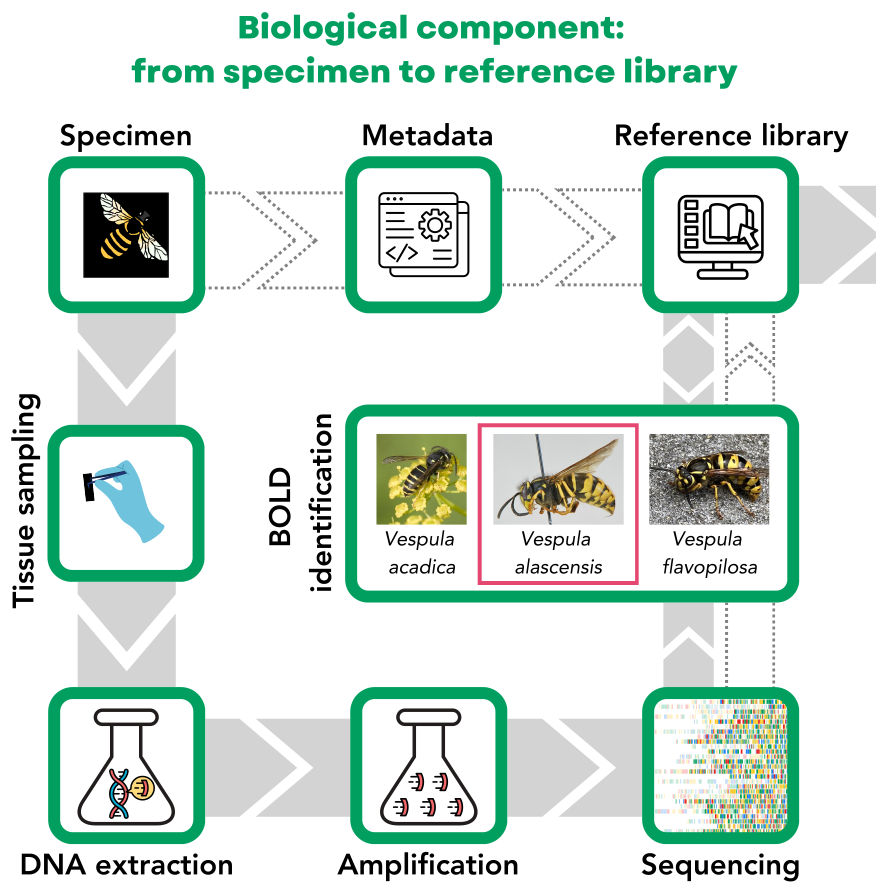
- Every species has a unique stretch of DNA called a barcode — like a UPC code for life.
- By sequencing a short gene (COI), we can identify a specimen even when it’s too small or damaged to recognise visually.
- Fun fact: some species that look identical turn out to be genetically distinct. We call these cryptic species.
A global effort
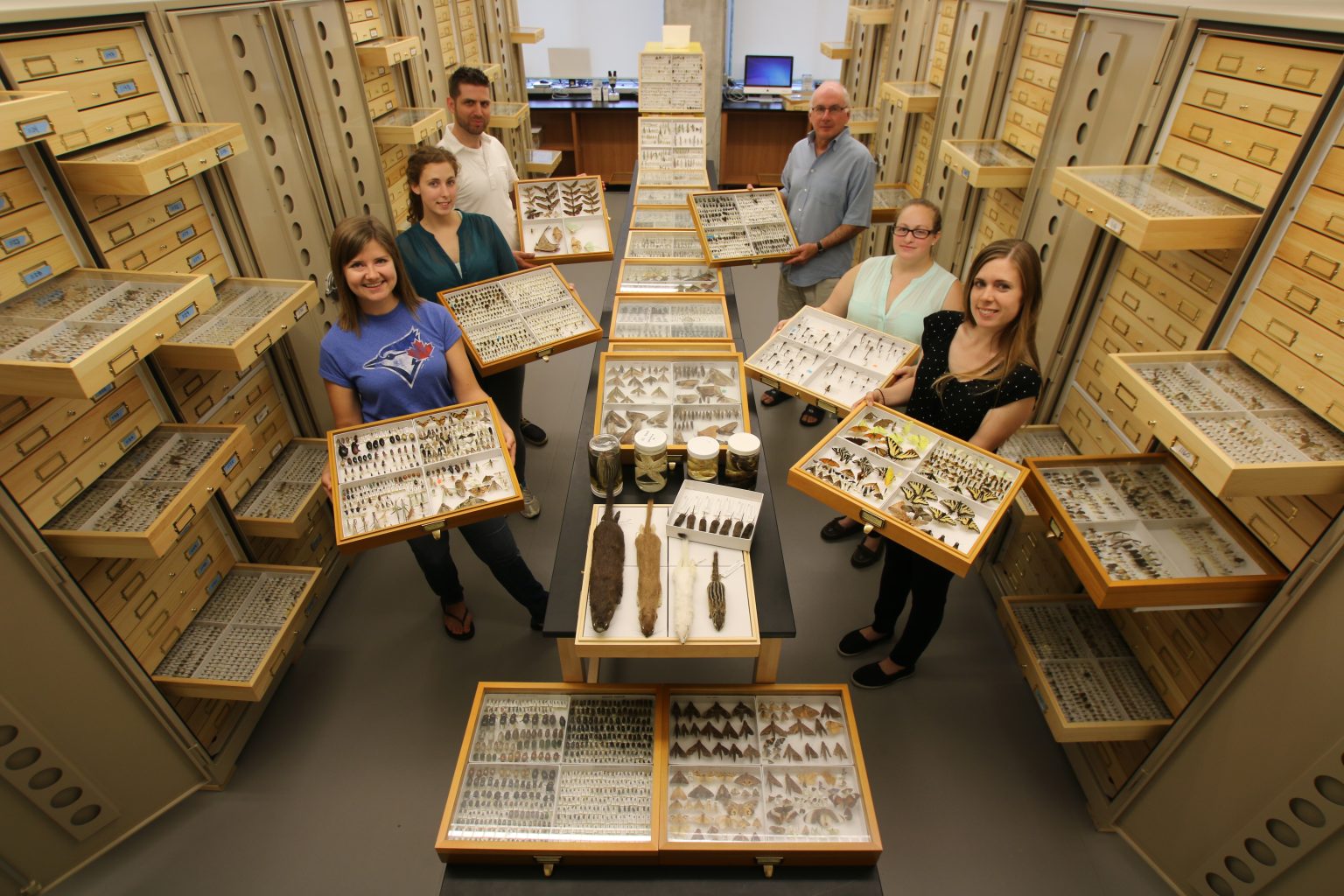
The BIOSCAN project is deploying Malaise traps at hundreds of sites across 47 countries.
Led from the Centre for Biodiversity Genomics at the University of Guelph, it aims to catalogue insect diversity at a planetary scale.
We’re partnered with the LIFEPLAN project (University of Helsinki) which adds bioacoustics and camera traps.
Five million specimens, 47 countries
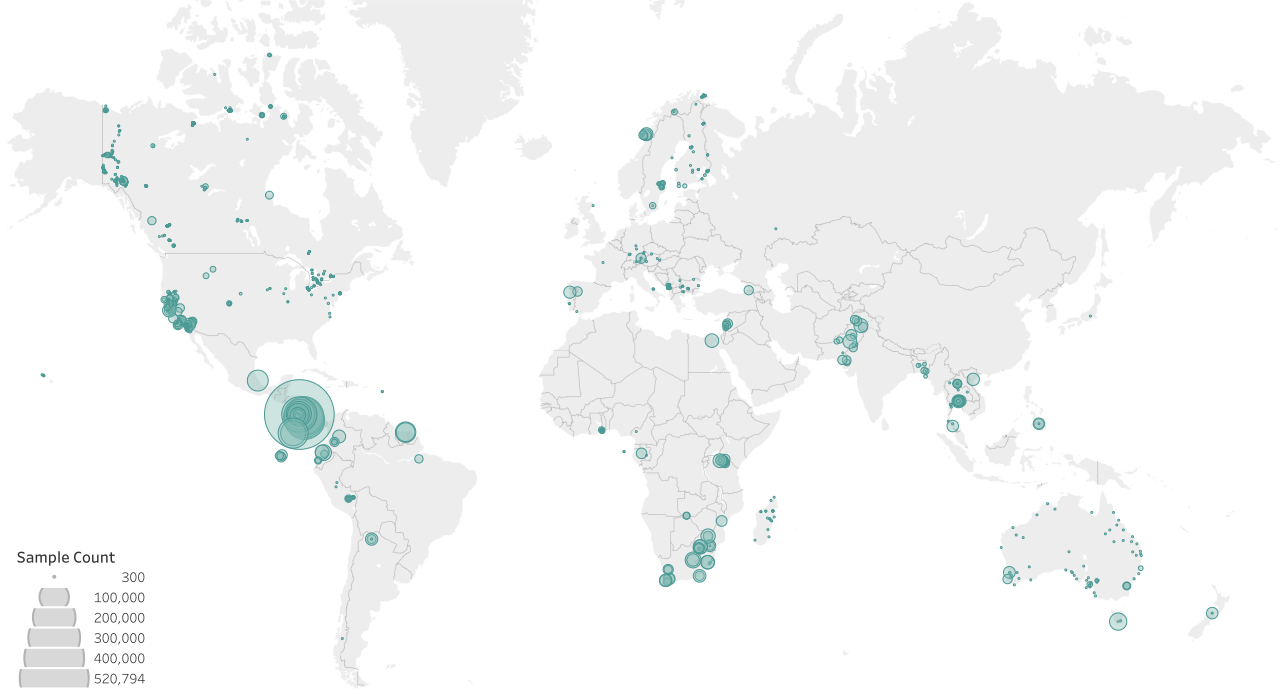
Each dot is a sampling site. Every specimen gets a photograph and a DNA barcode.
From trap to data
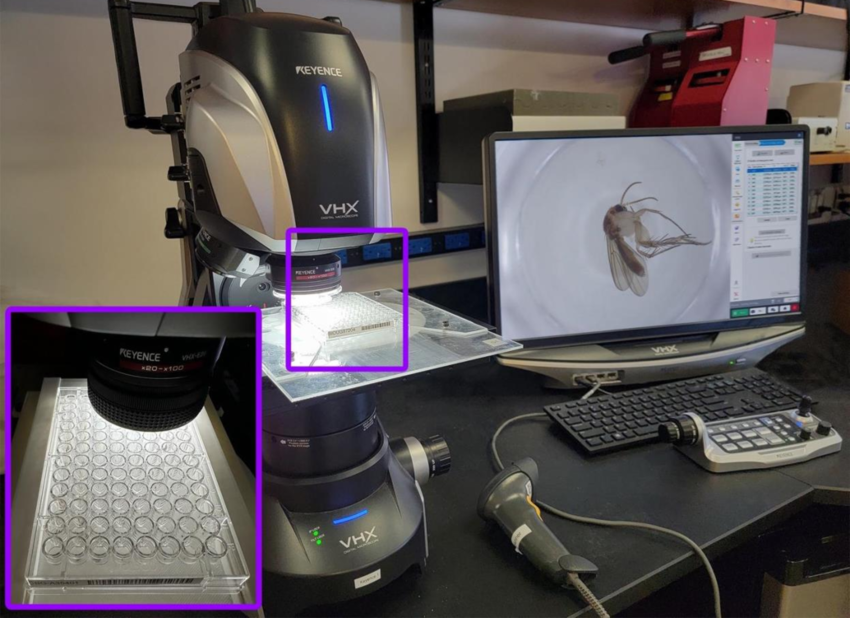
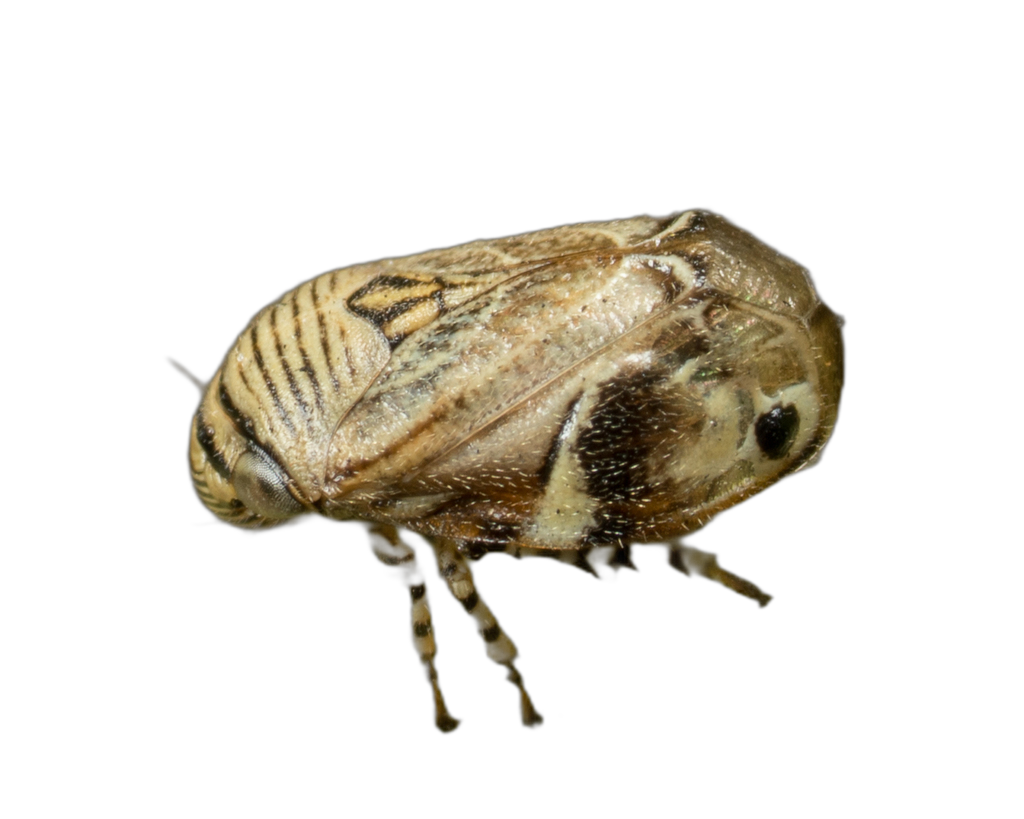
At the Centre for Biodiversity Genomics, each specimen is photographed under a digital microscope at high resolution.
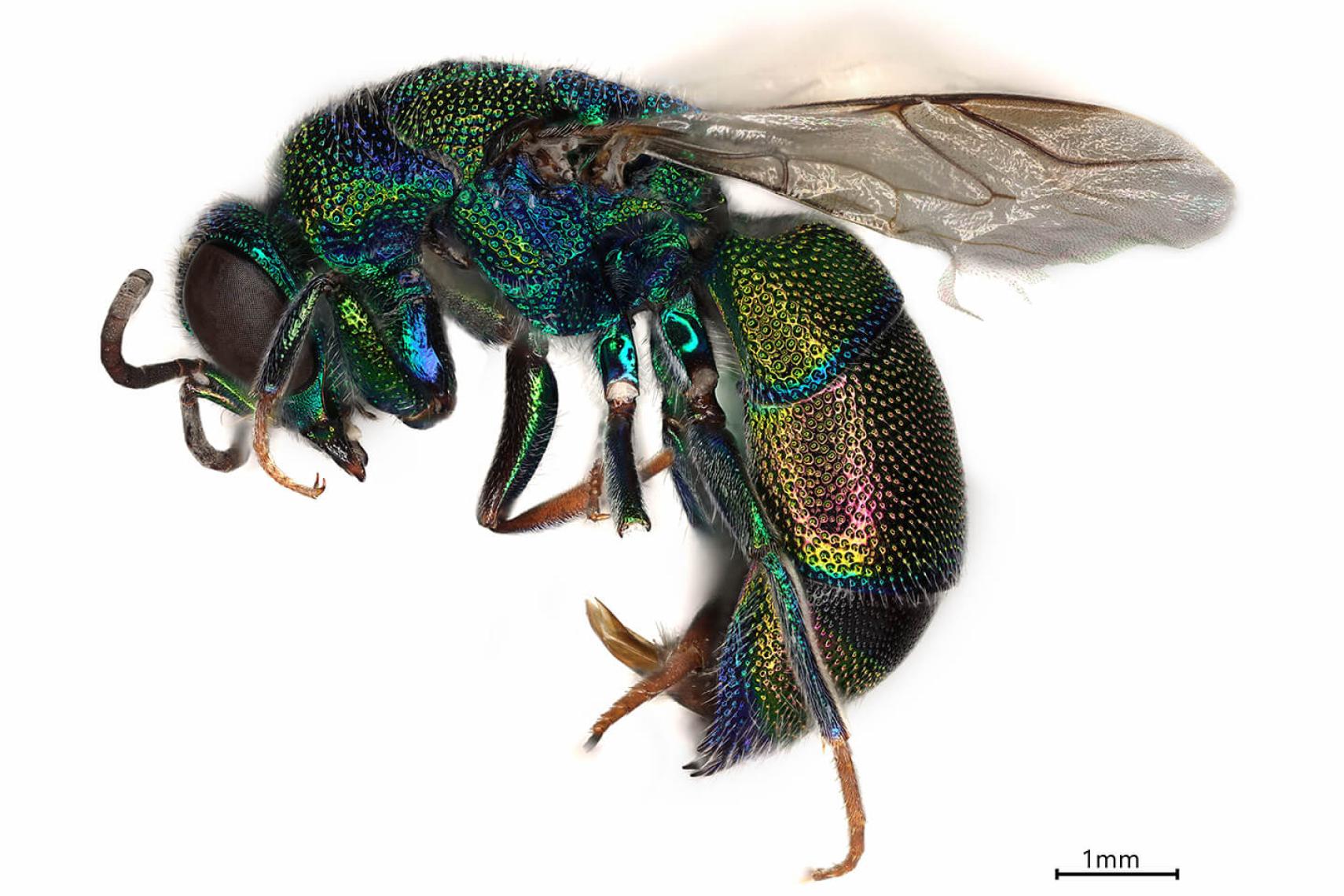
The result: a paired dataset of images and DNA for over 5 million individual insects. This is the training data for our AI.
Can we get the best of both worlds?
🧬 DNA Modality
- More precise classification
- Expensive to collect
📷 Image Modality
- Less precise: some species are visually similar and hard to distinguish
- Easier to collect
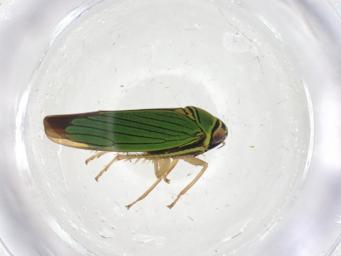
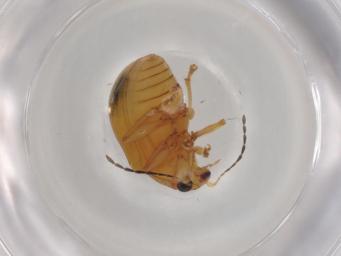
Give it a photo, get back an ID
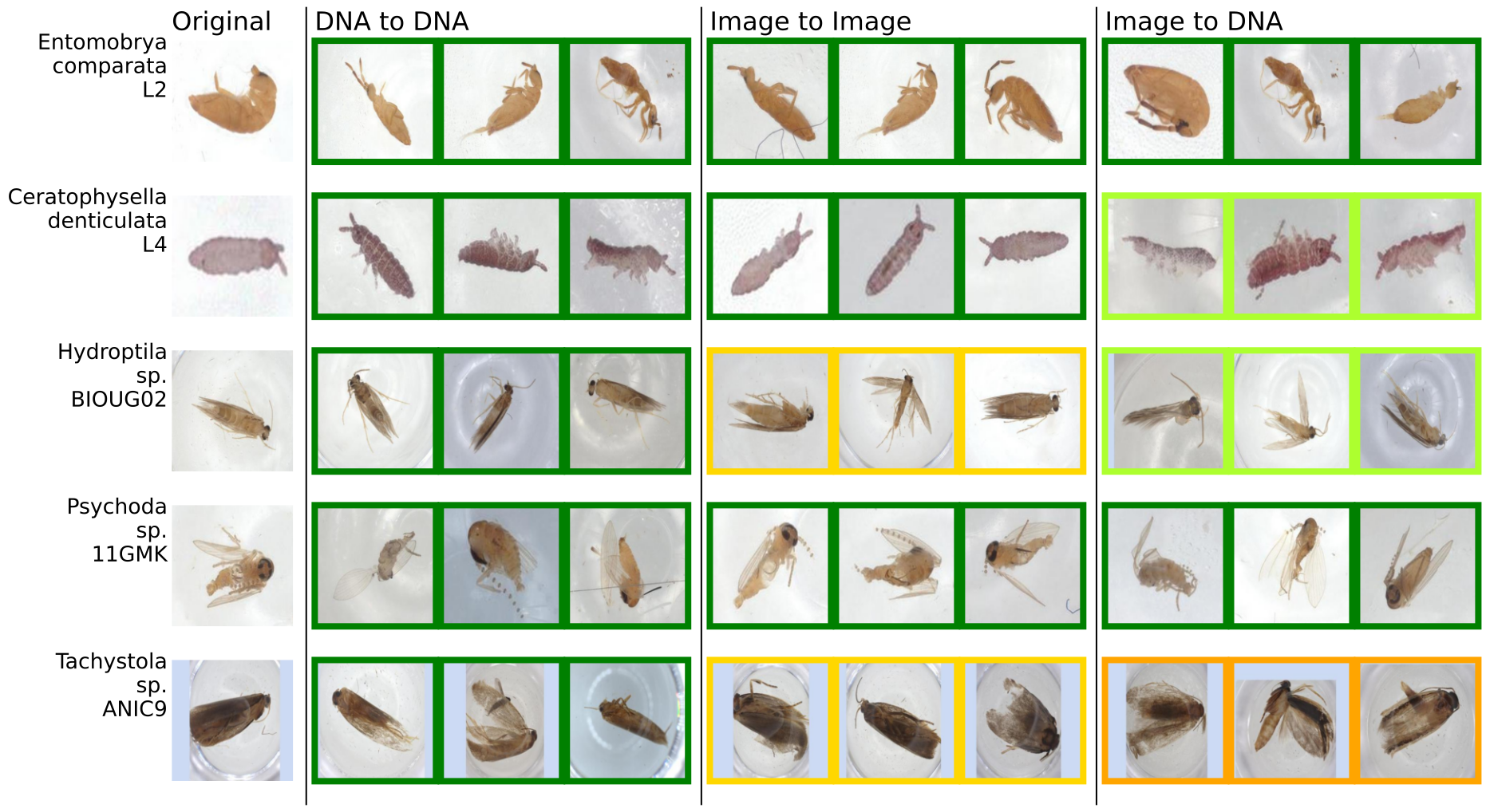
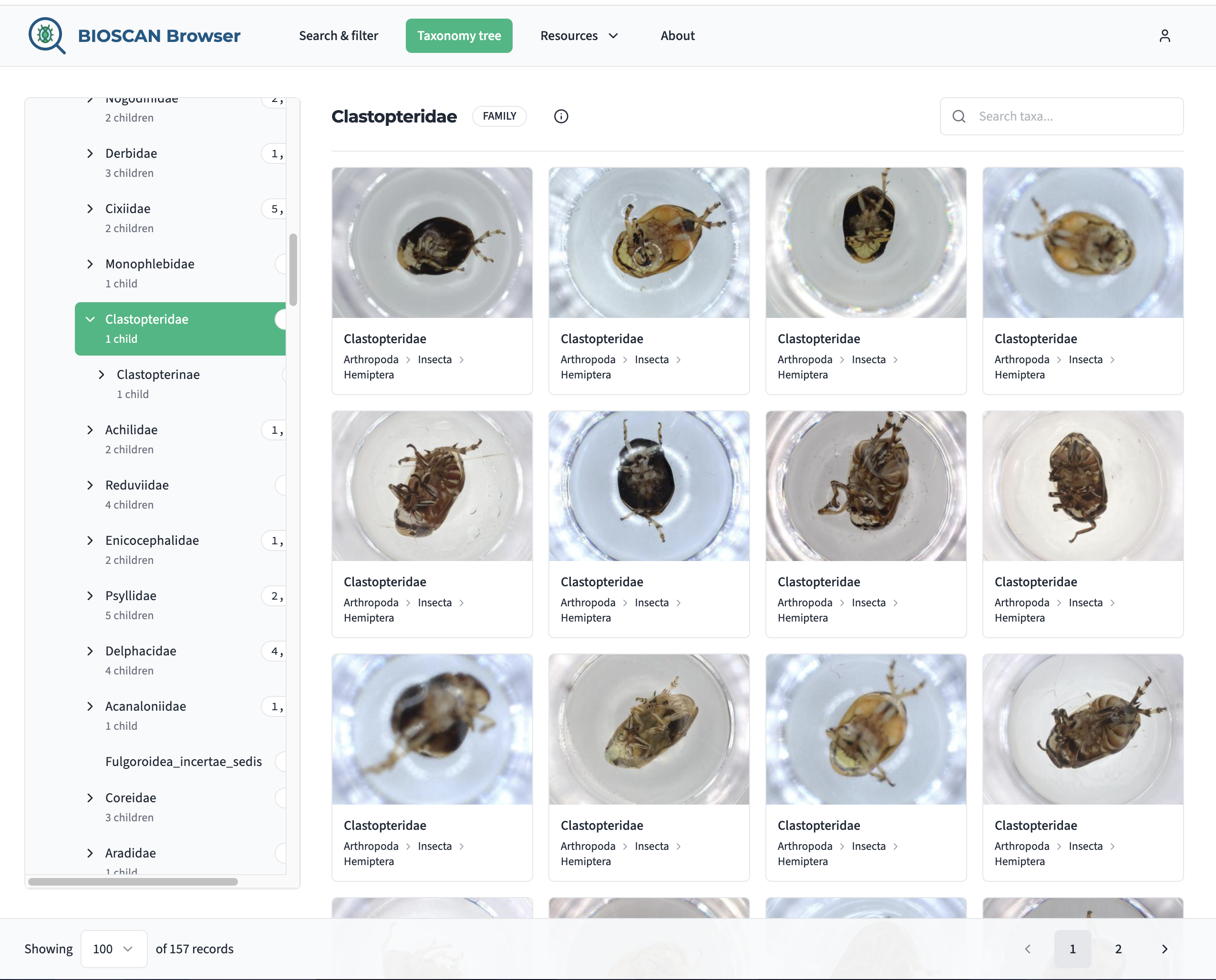
Explore the data yourself
- CLIBD powers similarity search backend
- Enables both image and DNA queries
- New issue reporting workflow for community feedback
Live at: browser.bioscan-ml.org
What’s next? From one bug to thousands
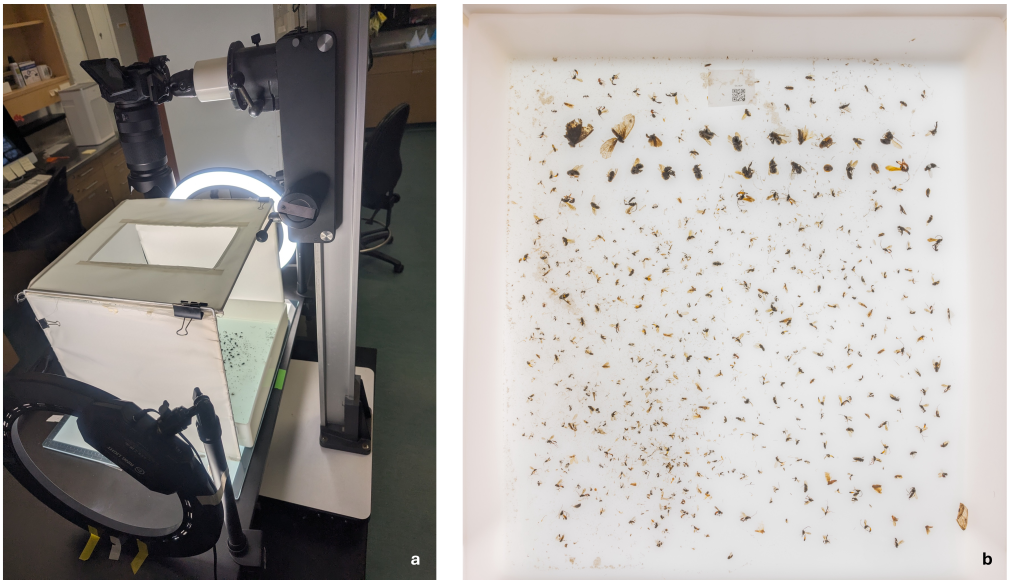
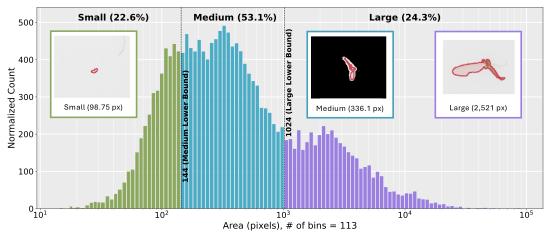
What if you photograph a whole tray of hundreds of insects at once?
- 45 Malaise trap samples from 5 sites
- 35,500+ individual insects with DNA barcodes
- Paired with “barcode soup” metabarcodes — DNA that tells us what’s likely in the tray
You can’t protect what you can’t measure
AI won’t replace taxonomists — but it can help them work thousands of times faster.
The goal: a world where everyone can monitor, measure, and protect biodiversity in their own backyard.
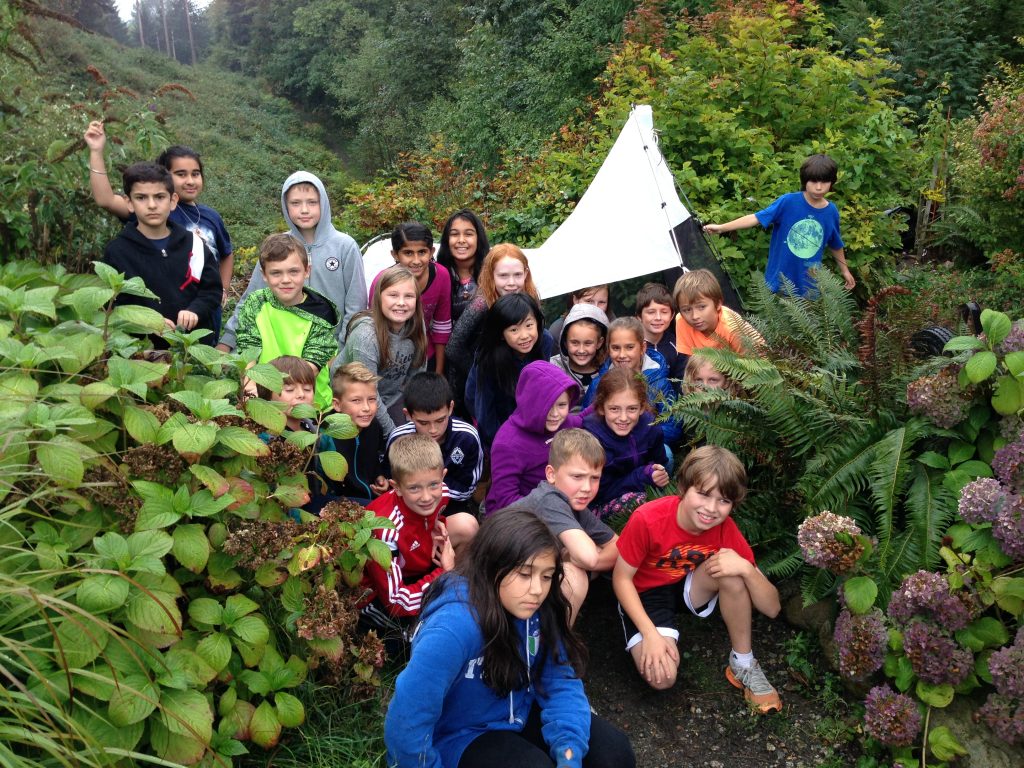
Know a young scientist? Schools and community groups across Canada can get a free Malaise trap kit and contribute to the country’s largest insect survey.
Learn more: bioscan.life/bugquest

Thank you!
Try the BIOSCAN Browser:
browser.bioscan-ml.org
See the BIOSCAN-ML Catalog:
catalog.bioscan-ml.org